 English
  Arabic
  Spanish
  Russian
  Chinese
Understanding Its Function and Benefits in Modern Manufacturing
In the world of modern manufacturing, precision, efficiency, and versatility are essential for achieving the highest standards of quality and productivity. One key piece of equipment that plays a significant role in sheet metal fabrication is the hydraulic press brake. This powerful machine is designed to bend, form, and shape sheet metal into various configurations for a wide range of industries, from automotive and aerospace to electronics and construction. But what exactly is a hydraulic press brake, and why is it so integral to the manufacturing process? In this article, we will explore its functions, benefits, components, and applications, shedding light on their importance in the contemporary industrial landscape.
Understanding the Hydraulic Press Brake
A press brake is a machine tool used to bend, fold, or form sheet metal into precise angles or shapes. This machine is typically used to process thin and thick sheets of metal, creating complex bends that are essential in the fabrication of everything from metal enclosures and structural supports to components in heavy machinery. While mechanical press brakes were historically the standard, they have become the preferred choice due to their superior force output, control, and flexibility.
A hydraulic press brake utilizes hydraulic power to generate the force required to bend the metal. The hydraulic system uses a pump, piston, and cylinder to create high-pressure force, which is then transmitted to the ram of the press brake to perform the bending action. The primary advantage of using hydraulics in a press brake is the ability to apply a large amount of force with precision, making it suitable for bending even the thickest and toughest materials.
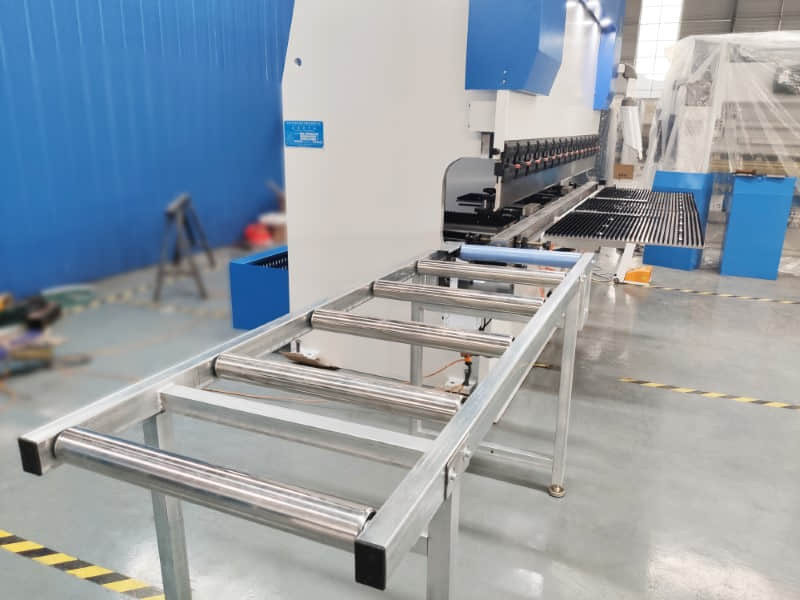
Key Components of a Hydraulic Press Brake
To understand how a hydraulic press brake works, it’s important to familiarize yourself with its essential components:
-
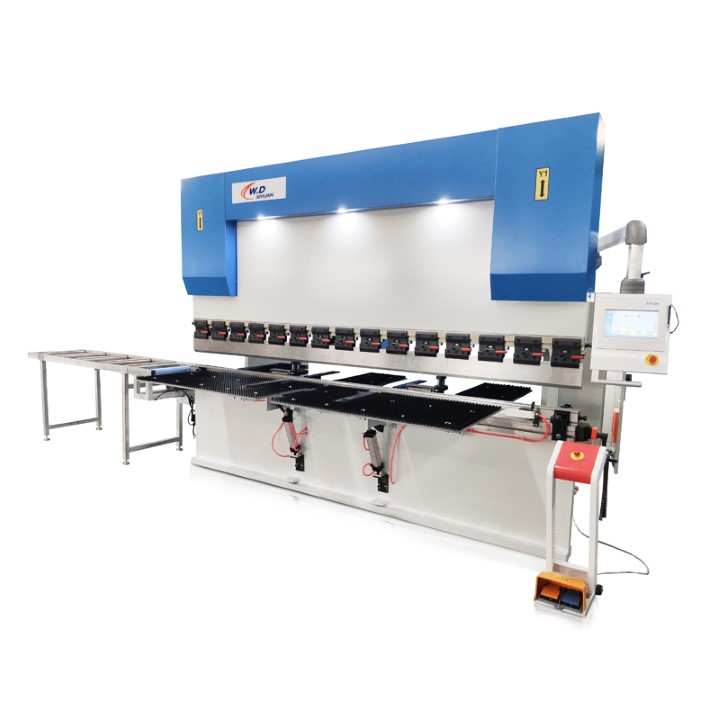
Frame: The frame is the backbone of the press brake, providing structural support and housing for all the components. It is typically made from robust materials like steel to ensure durability and stability during operation.
-
Hydraulic System: This includes the hydraulic pump, valves, cylinders, and pistons. The hydraulic system generates the force necessary for bending the metal sheet. The pressure can be precisely controlled, allowing for fine adjustments and consistent performance.
-
Ram: The ram is the moving part of the press brake that applies the bending force to the metal sheet. It moves vertically and is driven by the hydraulic system. The position of the ram determines the depth of the bend.
-
Die Set: The die set consists of two main parts: the upper die (punch) and the lower die (die). The sheet metal is placed between these dies, and the ram presses the punch into the material to create a bend. The choice of dies depends on the type of bend required.
-
Back Gauge: The back gauge is a precision measuring system that helps position the metal sheet accurately along the length of the press brake. It ensures that each bend is consistent and that the final product meets the required specifications.
-
Control System: Modern hydraulic press brakes are often equipped with computerized numerical control (CNC) systems that automate and optimize the bending process. These control systems allow operators to program the machine to make precise bends, improving accuracy and reducing manual labor.
How Does a Hydraulic Press Brake Work?
The basic operation of a hydraulic press brake involves the following steps:
-
Setup: The operator sets up the press brake by installing the appropriate upper and lower dies based on the desired bend angle and shape. The material is placed on the lower die, and the back gauge is adjusted to the correct position.
-
Bending Process: Once the setup is complete, the operator initiates the bending process by activating the hydraulic system. The pump generates high-pressure fluid, which moves the piston in the hydraulic cylinder, causing the ram to lower onto the sheet metal. The force applied by the ram causes the metal to deform and form a bend.
-
Release and Reset: After the bend is made, the ram is raised, and the metal sheet is removed. The machine can be reset for the next bend, and the process is repeated as necessary.
-
Control and Adjustment: In a CNC-controlled hydraulic press brake, the entire process can be automated. The operator inputs the required specifications into the control panel, and the machine automatically adjusts the bending force, speed, and position to ensure precise results.
Advantages of Hydraulic Press Brakes
They offer several significant advantages over their mechanical counterparts, making them a popular choice for many manufacturing applications:
1. Increased Force and Precision
One of the most compelling reasons for choosing hydraulic systems is the ability to generate substantial force. The hydraulic mechanism allows for precise pressure control, ensuring that the machine can handle a wide range of materials, from thin sheet metal to heavy plates. The ability to control force with great accuracy makes these machines ideal for producing complex bends with tight tolerances.
2. Flexibility and Versatility
They can be easily adjusted to accommodate different bending angles, material thicknesses, and shapes. Unlike mechanical press brakes, which often require manual adjustments or changing of components, they can be quickly reprogrammed to perform various tasks. This flexibility makes them an excellent choice for shops that handle a diverse range of products and need to switch between different projects with ease.
3. Consistent Performance
The hydraulic mechanism ensures consistent performance over time. Since the system relies on fluid power, there is less mechanical wear and tear compared to traditional machines, which are subject to friction and stress. This results in longer machine life and fewer breakdowns, making these machines a reliable investment for manufacturers.
4. Lower Maintenance Costs
While mechanical press brakes often require regular maintenance and repairs due to wear and tear, hydraulic press brakes generally have lower maintenance costs. The absence of mechanical components like gears and clutches means fewer moving parts that can break down, resulting in reduced downtime and maintenance expenses.
5. Energy Efficiency
These systems are more energy-efficient compared to their mechanical counterparts. The hydraulic system only uses energy when needed, and energy consumption can be controlled and optimized based on the bending task at hand. This makes them a more environmentally friendly and cost-effective choice for many manufacturers.
Applications of Hydraulic Press Brakes
They are used across a wide range of industries due to their flexibility and precision. Some common applications include:
-
Automotive Manufacturing: They are essential in the production of automotive body parts, chassis components, and structural frames. The high bending force and precision ensure that automotive parts meet stringent quality and safety standards.
-
Aerospace: In the aerospace industry, where precision and quality are paramount, they are used to fabricate complex components like wing spars, fuselage parts, and landing gear components.
-
Construction: They are used in the fabrication of structural steel components, such as beams, columns, and supports. Their ability to bend thick steel plates is crucial in the construction of large-scale infrastructure projects.
-
Electronics and Appliances: Press brakes are used to manufacture metal enclosures and housings for electronic devices, appliances, and machinery. The accuracy of the bending process ensures that components fit together perfectly.
-
Sheet Metal Fabrication: Many job shops use hydraulic press brakes to create custom metal parts for a variety of applications. From simple bends to intricate forms, these machines offer the flexibility needed to meet diverse customer needs.
Conclusion
The hydraulic press brake is a vital tool in the modern manufacturing environment, offering unmatched flexibility, precision, and efficiency. Its ability to generate high bending forces with fine control has made it an indispensable part of many industries, from automotive and aerospace to construction and electronics. As technology continues to advance, Tthey are becoming more sophisticated, with CNC controls and automation further enhancing their capabilities. Whether you are a small shop or a large industrial facility, investing in a hydraulic press brake can improve your production capabilities, reduce costs, and enhance the quality of your metal fabrication.
Related Products
