 English
  Arabic
  Spanish
  Russian
  Chinese
In the world of modern manufacturing, precision and efficiency are paramount. Industries that work with sheet metal, such as automotive, aerospace, construction, and HVAC, rely heavily on advanced machinery to ensure the production of high-quality components. One such essential tool is the NC (Numerical Control) plate bending machine. By offering precise control over the bending process, NC plate bending machines have revolutionized the way manufacturers approach the fabrication of metal parts.
What is an NC Plate Bending Machine?
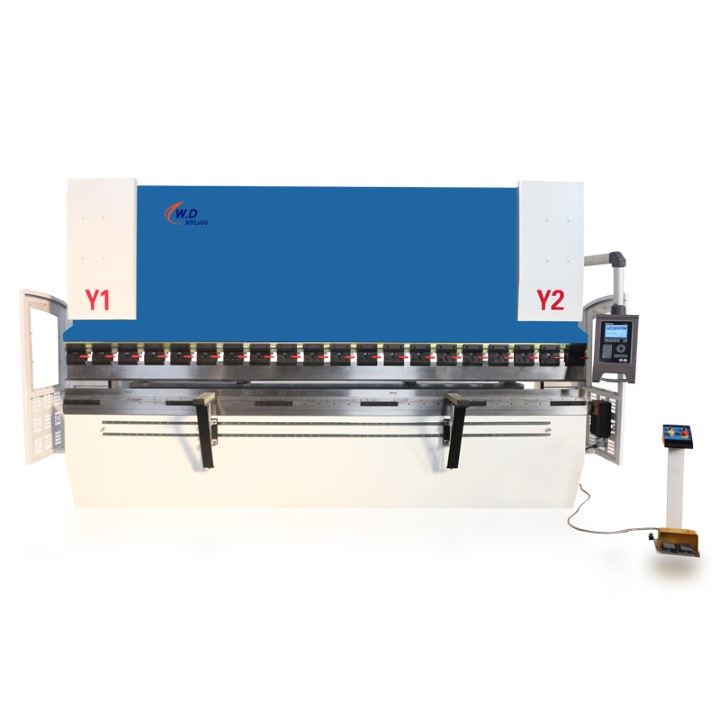
An NC plate bending machine, also known as a numerical control plate bending machine, is a mechanical device used to bend thick metal plates into precise angles and shapes. Unlike manual bending machines, which require significant human intervention, NC machines rely on computerized numerical control (CNC) technology to execute the bending process. This automation allows for higher precision, reduced labor costs, and increased production speeds.
They are typically used for bending plates made of various metals such as steel, aluminum, and stainless steel. These machines can handle a wide range of plate thicknesses and sizes, making them incredibly versatile and valuable in industrial applications.
1. Increased Precision and Consistency
One of the primary benefits of using an NC plate bending machine is the unparalleled precision it offers. Traditional manual bending methods depend on the skill and experience of the operator, which can lead to inconsistencies and errors. However, with it, all movements and operations are governed by precise digital instructions, ensuring that every bend is executed accurately and uniformly.
The NC system uses advanced algorithms to calculate the optimal bending parameters for each specific plate, taking into account factors like material type, thickness, and required angle. This guarantees that every part produced meets strict tolerance levels, reducing the need for rework and ensuring high-quality results.
2. Improved Efficiency and Productivity
In a manufacturing environment, time is money. NC plate bending machines significantly enhance operational efficiency by automating the bending process. Once the plate is set up and the program is input into the machine, the entire bending sequence can proceed without human intervention, often at a much faster pace than manual methods.
These machines are capable of performing multiple bends in a single operation, drastically reducing the overall production time. With a faster turnaround time, manufacturers can produce more parts in less time, boosting overall productivity. This is particularly advantageous for companies dealing with large-scale production or industries that demand quick turnaround times, such as the automotive and construction sectors.
3. Reduced Labor Costs
Labor is one of the highest costs for many manufacturing operations, particularly when it involves skilled workers. NC plate bending machines help reduce labor costs by automating the bending process, requiring minimal human supervision. Operators simply need to load the material and input the required specifications into the machine’s control panel.
As a result, manufacturers can reduce the number of skilled workers needed on the shop floor. This automation allows operators to focus on other tasks, such as quality control or machine maintenance, which optimizes the workforce and reduces overall labor expenses. Additionally, less reliance on manual labor reduces the risk of human error and potential workplace injuries, further lowering costs associated with labor.
4. Enhanced Flexibility and Versatility
One of the most significant advantages of NC plate bending machines is their versatility. These machines can handle a wide range of materials, including steel, aluminum, stainless steel, and even copper, making them suitable for various industries. Additionally, they can accommodate plates of different thicknesses and sizes, allowing manufacturers to produce a diverse range of parts and components.
Moreover, it can be easily reprogrammed to handle different bending tasks. This flexibility makes it an excellent choice for companies that produce a variety of products or need to quickly adapt to changing market demands. Whether you’re producing automotive components, HVAC parts, or industrial machinery, it can be adjusted to meet your specific requirements.
5. Higher Repeatability and Accuracy
When manufacturing parts that need to be duplicated or mass-produced, repeatability is crucial. NC plate bending machines excel in this area, ensuring that every part produced has the same dimensions and bends as the previous one. This level of consistency is vital for industries that require large batches of identical parts, such as aerospace and automotive manufacturing.
By automating the bending process, it removes the variability inherent in manual operations. The precision of the machine ensures that even the most intricate bends and shapes are replicated with exactitude every time. This repeatability not only improves product quality but also minimizes the risk of defects, which can lead to costly rework and delays.
6. Reduced Material Waste
Minimizing material waste is a top priority in any manufacturing operation, both for cost-saving and environmental reasons. They help reduce material waste by ensuring that each bend is made according to precise specifications. Since the bending process is controlled digitally, the chances of errors, such as over-bending or under-bending, are minimized. This means that less material is wasted during production, leading to significant savings on raw materials.
Additionally, some NC plate bending machines feature advanced material optimization software that calculates the best way to arrange the cuts and bends on a given plate to maximize material usage. This further reduces waste and contributes to a more sustainable manufacturing process.
7. Advanced Safety Features
Manufacturing environments can be hazardous, particularly when heavy machinery is involved. However, they come equipped with advanced safety features that help protect operators and reduce the risk of accidents. These safety features include automatic shutdowns in case of malfunctions, emergency stop buttons, and safety guards that prevent operators from coming into direct contact with moving parts.
Moreover, since the bending process is largely automated, the need for operators to work closely with the machine is reduced, minimizing the risk of workplace injuries. Many NC plate bending machines also come with digital displays that allow operators to monitor the machine’s performance in real-time, enabling them to detect potential issues before they become critical.
8. Improved Quality Control
With automation comes better control over the production process. NC plate bending machines are designed to meet high-quality standards and ensure that every part is bent to the precise specifications required. These machines are equipped with real-time feedback systems that allow operators to monitor the performance and quality of the bends as they are being made.
Furthermore, the use of digital controls enables manufacturers to track and analyze machine data, helping identify potential issues early on. By continuously monitoring the bending process, operators can make adjustments as needed to maintain quality, leading to fewer defects and more consistent output.
9. Increased Cost-Effectiveness in the Long Term
While NC plate bending machines require an initial investment, they offer significant cost savings in the long run. The reduction in labor costs, improved material utilization, higher productivity, and consistent quality all contribute to a lower cost per part produced. Additionally, its efficiency often leads to faster production times, enabling companies to meet tight deadlines and reduce costs associated with delays.
For manufacturers with high-volume production needs, the return on investment (ROI) from it is substantial. Over time, the cost savings generated outweigh the initial capital outlay, making it a valuable asset for any production facility.
10. Adaptability for Future Technological Advancements
They are designed to integrate with modern manufacturing technologies. Many machines can be easily upgraded with the latest software, allowing manufacturers to take advantage of new features and improvements without needing to purchase entirely new equipment. This adaptability ensures that your investment remains relevant as technology evolves.
Additionally, many NC plate bending machines are compatible with other advanced technologies, such as robotic arms and automated material handling systems. This integration allows manufacturers to further streamline their operations and enhance overall productivity.
Conclusion
NC plate bending machines have become an essential part of modern manufacturing. With their precision, efficiency, versatility, and ability to reduce labor costs, these machines provide significant benefits across various industries. From increased productivity and consistency to reduced material waste and enhanced safety, the advantages of they are clear. As technology continues to advance, these machines will only become more powerful and capable, offering manufacturers even greater opportunities for cost savings and operational improvements. Investing in an NC plate bending machine is a smart choice for any company looking to stay competitive in today’s fast-paced manufacturing landscape.
Related Products